Un ataque por parte de unos piratas informáticos alerta al FBI, que
decide arrestar a los responsables, que son 7 dotados piratas
informáticos considerados los responsables. Uno de ellos Matt Farrell
(Justin Long) es encomendado por el FBI al teniente de policía John
McClane (Bruce Willis), para que lo arreste y lo lleve a Washington D.C.
para ser interrogado.
An attackbyahackeralerts theFBI,who decidesto arrest the perpetrators,whoaresevengiftedhackersconsidered responsible.OneMattFarrell(JustinLong)iscommissioned by theFBItopolice Lt.JohnMcClane(BruceWillis),toarrest himand take himtoWashingtonDCfor questioning.
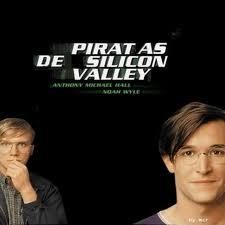
a película muestra como se creó Microsoft, Apple
Los personajes principales son Steve Jobs , Bill Gates, y Steve .
Steve Jobs y Steve compran un computador por 50 mil dólares por la
época de los '70 dónde todavía no eran comunes los computadores, esto se
da a entender cuando el vendedor le pregunta a Steve que para que puede
querer la gente común un computador. Con su computador, ganan
tanta plata, que logran hacer una companía llamada “Apple”, pero no eran
los únicos tratando de hacer dinero con computadores, también, estaba
Bill Gates que forma Microsoft, que a diferencia de la otra companía,
esta no era conocida, y no tenían mucho dinero.
En 1977 en San
Francisco se realiza una feria donde los dos Steves mostraban su nuevo
computador, Bill fue, pero no les pudo hablar...
Steve demuestra
cuando le dice a su novia que va a rechazar a su futura hija y en una
entreviste que le están haciendo a un señor, que por su fama y su dinero
se vuelve sin humanidad ni respeto por los demás.
En 1980, Nace
la hija de Steve, y va a visitarla, por curiosidad y para asegurarse de
que no tenga un nombre horrible. Deciden ponerle Liza, y Steve quuiere
ponerle a una computadora ese nombre, pero luego se arrepiente, y no lo
hace.
Cerox (empresa creadora del mouse) crea el interpase gráfico.
Apple invita a Microsoft para “hacerlos deciar” lo que ellos tenían,pero Bill Gatele ofrece a Steve de trabajar con ellos para poder robarles lo que Apple tení
Steve Was, cansado de Steve Jobs, (de como trataba a sus empleados y del poco respeto que le tenia a todos), renuncia.
Luego de un tiempo Steve Jobs se entera de que Bill ha hecho Windows, y este le miente y le dice que no es nada importante.
Al término de la película, Steve Jobs ve que Bill Gate le copió todos
los programas, que las diferencias son mínnimas con las de Appl
filmshows howtoset upMicrosoft,Apple The main characters areSteveJobs,BillGates andSteve. SteveJobsandSteveboughta computer for$ 50,000bythe time of the'70yetwherecomputerswere common, thisis impliedwhen the sellerasksyoutoSteveordinary peoplemay wanta computer.Withyour computer,earnso much money,theymanage to makea company called "Apple",but they were notthe only onestrying to make moneywithcomputers,too, wasBillGatesthat isMicrosoft,which unlikethe other company,this was notknown,anddid not have muchmoney. In1977 inSanFranciscois a fairwhere the twoStevesshowed theirnew computer,Billwas,butcouldnotspeak... Steveshowswhen he tellshis girlfriend hewillreject herfuture daughterin aninterviewandthey are doinga gentleman,thathis fame andmoney becomesno humanity orrespect for others. In 1980,Steve's daughterwas born,andwillvisit itout of curiosityandto make surethat does not havea horrible name.They decide toputLizaandStevequuiereputthat nameto a computer,butthen repents,anddoes not. Cerox(creators of themouse)interpasecreates thegraph. AppleinvitesMicrosoftto"makedeciar"what they had,butBillGateSteveoffered towork with themtostealwhat AppleTení StEveWas,tired ofSteve Jobs(of howhe treated hisemployees andthelittlerespect Ihad everyone)waiver. After a whileSteveJobslearns thatBillhas madeWindows,andthislies and tellshimit's nothingimportant. At the endofthe movie,SteveJobssees thatBillGatewillcopy all theprograms,the differences arethose ofApplmínnimas
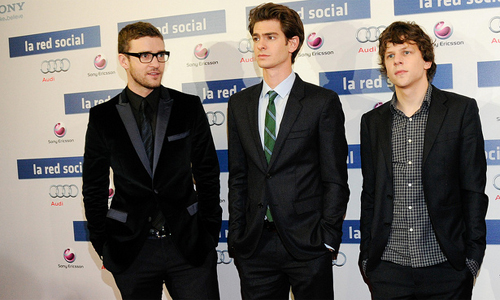
En el año 2003, el estudiante de Harvard, Mark Zuckerberg, tuvo la idea
de crear un sitio web para calificar el atractivo de sus compañeras de
universidad luego de que su novia terminara con él. Con sus habilidades
informáticas, Mark logró extraer nombres y fotografías de varias alumnas
desde las bases de datos. Usando un algoritmo suministrado por su mejor
amigo, Eduardo Saverin, Mark creó una página llamada FaceMash, donde
sus compañeros elegían a la chica más atractiva. Finalmente, Mark fue
castigado con seis meses de suspensión académica cuando el tráfico de su
sitio estropeó parte de la red de Harvard, mientras la mayoría de sus
compañeras lo vilipendiaban.
A pesar de todo, la popularidad de FaceMash y el hecho de que fue creado
en una noche, mientras Mark estaba ebrio, llamó la atención de los
gemelos Cameron y Tyler Winklevoss, miembros del equipo de remo de
Harvard, y su compañero de negocios Divya Narendra. Los tres le
explicaron a Mark que estaban buscando un programador que llevara a cabo
su idea de un nuevo sitio web: Harvard Connection. Mark decidió
ayudarlos.
Poco tiempo después, Mark se acercó a su amigo Eduardo, quien
recientemente había sido invitado al club social de pregrado The Phoenix
– S K Club. Mark tenía una idea de lo que él llamaba “Thefacebook”, una
herramienta de conexiones sociales en línea exclusiva para los
estudiantes de Harvard. Según él, este sistema permitiría a las personas
compartir cierta información sin que invadieran su privacidad. Eduardo
estuvo de acuerdo en ayudarlo, suministrándole mil dólares para comenzar
el proyecto. Mark y Eduardo finalmente crearon Facebook, distribuyendo
el enlace con los contactos de Eduardo en The Phoenix – S K Club.
In 2003,Harvard student,MarkZuckerberg,had the idea tocreatea website torate theattractiveness of theircollegematesafter hisgirlfriendendedwith him.Withhis computer skills,Markmanaged to extractnames and photographs ofseveralstudentsfromthe databases.Usingan algorithmsuppliedby his best friend,EduardoSaverin,Markcreated asite calledFacemash,wherehis companionschosethe prettiest girl.Finally,Markwas punishedwith sixmonths ofacademic suspensionwhen thesite trafficin the networkspoiledHarvard,while mostof her peersvilifiedhim. Nevertheless,Facemash's popularityand the factthat it was createdin a night,whileMarkwas drunk,caught the attention ofthe twinsCameronandTylerWinklevoss,members of theHarvardrowing team,and theirbusiness partnerDivyaNarendra.The threeexplained toMarkthat they werelooking fora programmerto carry outhis ideaofa new website:HarvardConnection.Markdecided to help. Soon after,Markapproached hisfriendEduardo,who had recentlybeen invitedtoundergraduatesocialclubThePhoenix-SKClub.Markhad an idea ofwhat he called"Thefacebook", asocial networkingtoolonlineexclusively forHarvard students.According to him,this systemwould allow people toshare certain informationwithoutinvadingtheir privacy.Eduardoagreed tohelp, providingthousand dollarsto startthe project.MarkandEduardofinally createdFacebook, distributingthe linktocontactEduardoat ThePhoenix-SKClub.
Web 3.0 es una expresión que se utiliza para describir la evolución del uso y la interacción de las personas en internet a través de diferentes formas entre los que se incluyen la transformación de la red en una base de datos, un movimiento social hacia crear contenidos accesibles por múltiples aplicaciones non-browser, el empuje de las tecnologías de inteligencia artificial, la web semántica, la Web Geoespacial o la Web 3D. La expresión es utilizada por los mercados para promocionar las mejoras respecto a la Web 2.0. Esta expresión Web 3.0 apareció por primera vez en 2006 en un artículo de Jeffrey Zeldman, crítico de la Web 2.0 y asociado a tecnologías como AJAX. Actualmente existe un debate considerable en torno a lo que significa Web 3.0, y cuál sea la definición más adecuada.
Innovaciones
Las tecnologías de la Web 3.0, como programas inteligentes, que utilizan datos semánticos, se han implementado y usado a pequeña escala en compañías para conseguir una manipulación de datos
más eficiente. En los últimos años, sin embargo, ha habido un mayor
enfoque dirigido a trasladar estas tecnologías de inteligencia semántica al público general.
Web3.0 is aterm usedto describethe evolutionof the useand interactionof peopleonlinethrough variousformsamong whichincludethe transformationof the network ina database,a social movementtocreate accessible contentbymultiplenon-browserapplications,the thrustofartificialintelligence technologies,the Semantic Web,orwebGeospatialweb3D.The termis used bymarketsto promoteimprovementsregardingWeb2.0.This termWeb 3.0first appearedin 2006in an article byJeffreyZeldman,criticandassociatedWeb2.0technologies such asAJAX.Currentlythere is considerable debateaboutwhatWeb 3.0means,andwhat themost appropriatedefinition.
innovations
TheWeb3.0technologiessuch asintelligentprogramsthat usesemantic data,have been implementedand usedinsmall-scalecompaniesto achievemore efficientdata manipulation.In recent years, however,more focushas beendirectedtotransfer thesetechnologiesto the publicgeneratessemantic intelligence
El término Web 2.0 comprende aquellos sitios web que facilitan el compartir información, la interoperabilidad, el diseño centrado en el usuario y la colaboración en la World Wide Web.
Un sitio Web 2.0 permite a los usuarios interactuar y colaborar entre
sí como creadores de contenido generado por usuarios en una comunidad virtual,
a diferencia de sitios web estáticos donde los usuarios se limitan a la
observación pasiva de los contenidos que se han creado para ellos.
Ejemplos de la Web 2.0 son las comunidades web, los servicios web, las aplicaciones Web, los servicios de red social, los servicios de alojamiento de videos, las wikis, blogs, mashups y folcsonomías.
El término Web 2.0 está asociado estrechamente con Tim O'Reilly, debido a la conferencia sobre la Web 2.0 de O'Reilly Media en 2004. Aunque el término sugiere una nueva versión de la World Wide Web,
no se refiere a una actualización de las especificaciones técnicas de
la web, sino más bien a cambios acumulativos en la forma en la que desarrolladores de software y usuarios finales
utilizan la Web. El hecho de que la Web 2.0 es cualitativamente
diferente de las tecnologías web anteriores ha sido cuestionado por el
creador de la World Wide Web Tim Berners-Lee,
quien calificó al término como "tan sólo una jerga"- precisamente
porque tenía la intención de que la Web incorporase estos valores en el
primer lugar.
The termWeb2.0comprises thosewebsites that facilitateinformation sharing,interoperability,user-centereddesignand collaborationon the WorldWideWeb.AWeb 2.0siteallows users tointeract and collaboratewith each otheras creatorsofuser-generated contentin a virtual community, unlikestatic websiteswhere usersare limited to thepassive viewingof contentthat have been createdfor them.ExamplesofWeb2.0 includewebcommunities,webservices,web applications,socialnetworking services,accommodation servicesofvideos,wikis, blogs,mashupsandfolksonomies. The termWeb2.0is closely associated withTimO'Reillybecause of theWeb 2.0conference, O'Reilly Mediain 2004.Although the termsuggestsa new version oftheWorldWideWeb,does not refer toan update toWebtechnical specifications,but rathertocumulative changes inthewaysoftware developers andend users usetheWeb.The factthat Web 2.0is qualitatively different frompriorwebtechnologieshas been challenged bythe creatorof theWorldWideWebTimBerners-Lee, who called theterm as"justjargon"-precisely becausehe intendedtowebincorporatethese valuesin the firstplace.
La Web 1.0 (1991-2003) es la forma más básica que existe, con
navegadores de sólo texto bastante rápidos. Después surgió el HTML que
hizo las páginas web más agradables a la vista, así como los primeros
navegadores visuales tales como IE, Netscape, Explorer (en versiones
antiguas), etc.
La Web 1.0 es de sólo lectura. El usuario no puede interactuar con el
contenido de la página (nada de comentarios, respuestas, citas, etc),
estando totalmente limitado a lo que el Webmaster sube a ésta. Web 1.0 se refiere a un estado de la World Wide Web, y cualquier página web diseñada con un estilo anterior del fenómeno de la Web 2.0.
Es en general un término que ha sido creado para describir la Web antes
del impacto de la fiebre punto com en el 2001, que es visto por muchos
como el momento en que el internet dio un giro.
Es la forma más fácil en el sentido del término Web 1.0 cuando es usada en relación a término Web 2.0, para comparar los dos y mostrar ejemplos de cada uno.
TheWeb1.0(1991-2003)isthe most basic formthere,withtext-onlybrowsersfast enough.Then came theHTMLwebpagesmademorepleasing to the eyeas well asthe firstgraphical browserssuch asIE,Netscape,Explorer(in older versions),etc.. TheWeb1.0is read-only.Theuser can not interactwith the contentof the page(nocomments,answers, appointments,etc), being totallylimitedto what theWebmasteruploadto it. Web1.0refersto a state oftheWorldWideWeb,and anywebsitedesignedwithan earlier styleoftheWeb2.0phenomenon.It isgenerallya term that hasbeencreated to describetheWebbefore the impact ofthedotcomfeverin 2001,which isseenby many as themoment when theInternettook a turn. It'sthe easiest wayin the senseof the termWeb 1.0when usedin relationtothe termWeb2.0,to compare the twoandshowexamplesof each
Un navegador o navegador web (del inglés, web browser) es una aplicación que opera a través de Internet,
interpretando la información de archivos y sitios web para que éstos
puedan ser leídos (ya se encuentre esta red mediante enlaces o hipervínculos)
La funcionalidad básica de un navegador web es permitir la
visualización de documentos de texto, posiblemente con recursos
multimedia incrustados. Los documentos pueden estar ubicados en la
computadora en donde está el usuario, pero también pueden estar en
cualquier otro dispositivo que esté conectado en la computadora del
usuario o a través de Internet, y que tenga los recursos necesarios para la transmisión de los documentos (un software servidor web).
Tales documentos, comúnmente denominados páginas web, poseen hipervínculos que enlazan una porción de texto o una imagen a otro documento, normalmente relacionado con el texto o la imagen.
El seguimiento de enlaces de una página a otra, ubicada en cualquier computadora conectada a Internet, se llama navegación, de donde se origina el nombre navegador (aplicado tanto para el programa como para la persona que lo utiliza, a la cual también se le llama cibernauta). Por otro lado, hojeador es una traducción literal del original en inglés, browser, aunque su uso es minoritario.
webbrowser orbroser(English,Webbrowser)is an application thatoperatesover the Internet, playingfile informationand websitesso that they canbe read(andthis networkisthrough linksorhyperlinks) Thebasic functionality of awebbrowseris to allowthe display oftext documents,possibly withembeddedmultimedia.Documents canbe locatedon the computerwhere theuser, butcan also be inany otherdevice connectedtothe user's computeror on the Internet,and havethe resources necessaryfor the transmissionof documents(a softwarewebserver). Thesedocuments,commonly known aswebpages,havehyperlinksthat linka piece of textoran imageto another document,usuallyrelated to the textor image. Trackinglinksfrom one page toanother, locatedon anycomputer connected to theInternet,callednavigation, wherethe nameoriginatesbrowser(appliedto both the programand the personwho uses it, whichis also callednetizen).On the other hand, Browseris a literal translationof theEnglish original, browser,although its useisminor.
GoogleInc.is the ownerof the brandGoogle,whose main product isthe search engineinInternetcontentof the same name.
Althoughits main productis the search engine,the company also offersother services: anemail servicecalledGmail,yourGoogleEarth3Dmap of the world, aninstant messaging servicebased onXMPPcalled GoogleTalk,YouTubevideo website,otherwebutilitieslike GoogleReaderorGoogleNews,theGoogle Chromewebbrowser,andhis latest creation,theGoogle+socialnetwork service, asleading the developmentofLinux-based operatingsystem, Android,currently used incell phonesand tablets.He is currently workingon a projectofaugmented reality glasses,theGlassProject,afiber-optic service, theGoogleFiberandvehicles
mozilla firefox
Mozilla Firefox es un navegador web libre y de código abierto8 desarrollado para Microsoft Windows, Mac OS X y GNU/Linux coordinado por la Corporación Mozilla y la Fundación Mozilla. Usa el motor Gecko para renderizar páginas webs, el cual implementa actuales y futuros estándares web.9 A partir de agosto de 2012 Firefox tiene aproximadamente un 23% de la cuota de mercado, convirtiéndose en el tercer navegador web más usado,10 11 12 con particular éxito en Indonesia, Alemania y Polonia, donde es el más popular con un 65%,13 47%14 y 47%15 de uso, respectivamente. MozillaFirefox is afree and open sourcewebabierto8developed forMicrosoft Windows,MacOSXandGNU/Linuxcoordinated by theMozillaCorporationandMozillaFoundation.Use theGeckoengineto renderweb pages,which implementsstandardcurrent and futureweb.9FromAugust 2012Firefoxhasabout 23%ofthe market share,making it the thirdmost usedwebbrowser,October 11, 12withparticularly successful inIndonesia,Germanyand Poland,whichis the mostpopularwith 65%,13 47% 14and 47% 15of use,respectively.
safari
Safari es un navegador web de código cerrado desarrollado por Apple Inc. Está disponible para Mac OS X , iOS (el sistema usado por el iPhone, el iPod Touch y el iPad) y Windows (sin soporte desde el 2012). Incluye navegación por pestañas, corrector ortográfico, búsqueda progresiva, vista del historial en CoverFlow, administrador de descargas y un sistema de búsqueda integrado.
Safariis aclosedsource web browserdeveloped byAppleInc.It is available forMacOSX,iOS(the system usedby theiPhone, iPodTouchand iPad)andWindows(unsupportedsince2012). Includestabbed browsing,spell checker,incremental find,recordCoverFlowview, download managerandintegrated searchsystem.
opera
Opera es un navegador web y suite de Internet creado por la empresa noruega Opera Software, capaz de realizar múltiples tareas como navegar por sitios web, gestionar correo electrónico, contactos, fuentes web, charlar vía IRC y funcionar como cliente BitTorrent. Opera ha sido pionero en incorporar muchas de las características que hoy en día se pueden ver en el resto de los navegadores web como el zoom y la búsqueda integrada y popularizar otras como las pestañas,3 aunque ellos no las inventaron (las pestañas fueron introducidas por InternetWorks de Booklink Technologies en 1994, luego Netcaptor en 1997, IBrowse en 1999 antes de la aparición en Opera en 2000). Sus características de seguridad incluyen protección integrada contra phishing y malware, cifrado de alta seguridad al navegar, y la capacidad de eliminar fácilmente datos privados, como por ejemplo cookies, caché y datos de inicios de sesión. Opera funciona en una gran variedad de sistemas operativos, incluyendo Microsoft Windows, Mac OS X, GNU/Linux y FreeBSD. Algunas versiones de Opera están disponibles para dispositivos que utilizan sistemas operativos como Maemo, BlackBerry, Symbian, Windows Mobile, Android o iOS, así como aquellos que soportan Java ME.
Operaisa web browser andInternetsuitedevelopedbythe Norwegian companyOperaSoftware,able tomultitaskandbrowse websites, manageemail, contacts,websources,viaIRCchatclientand function asBitTorrent.Operahas pioneeredincorporatemany of the featuresthat todaycan be seenin otherwebbrowserssuch as zoomand integrated searchand popularizeotheras tabs, 3although theydid not invent(the tabswere introduced byInternetWorksofBooklinkTechnologiesin 1994,thenin 1997NetCaptor,IBrowsein 1999before the appearanceinOperain 2000). Its security featuresincludebuilt-in protectionagainstphishingandmalware,strong encryptionwhen browsing,and the ability toeasily deleteprivate datasuch ascookies, cacheanddatalogins. Operaruns ona varietyof operating systems,includingMicrosoftWindows,MacOSX,GNU/LinuxandFreeBSD.Some versions ofOperaare available fordevicesrunning operating systemssuch asMaemo,BlackBerry,Symbian,WindowsMobile, AndroidoriOS, as well asthosethat support JavaME.
 Un ataque por parte de unos piratas informáticos alerta al FBI, que
decide arrestar a los responsables, que son 7 dotados piratas
informáticos considerados los responsables. Uno de ellos Matt Farrell
(Justin Long) es encomendado por el FBI al teniente de policía John
McClane (Bruce Willis), para que lo arreste y lo lleve a Washington D.C.
para ser interrogado.